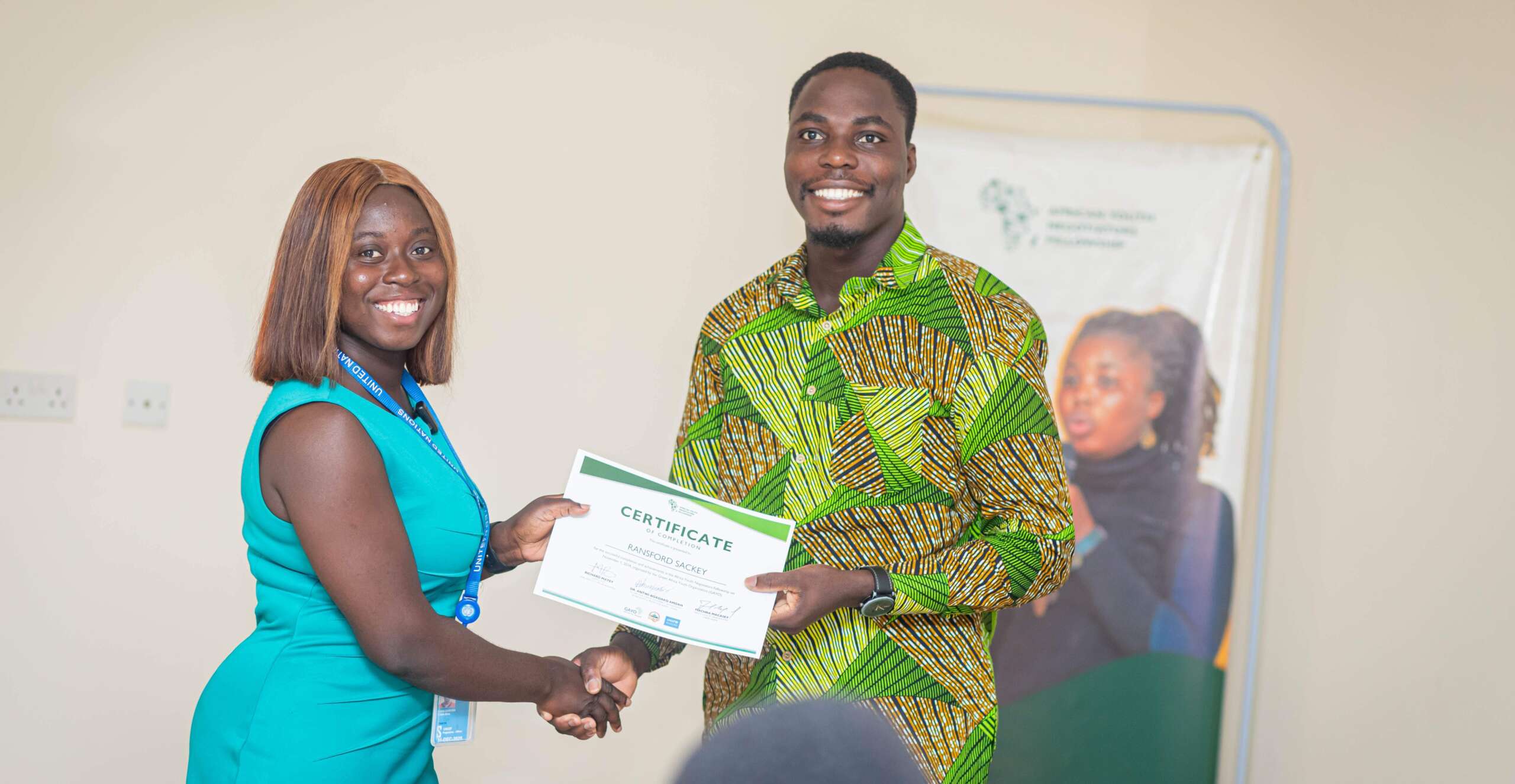
Ransford entered the negotiation room for the first time and was ready to contribute.
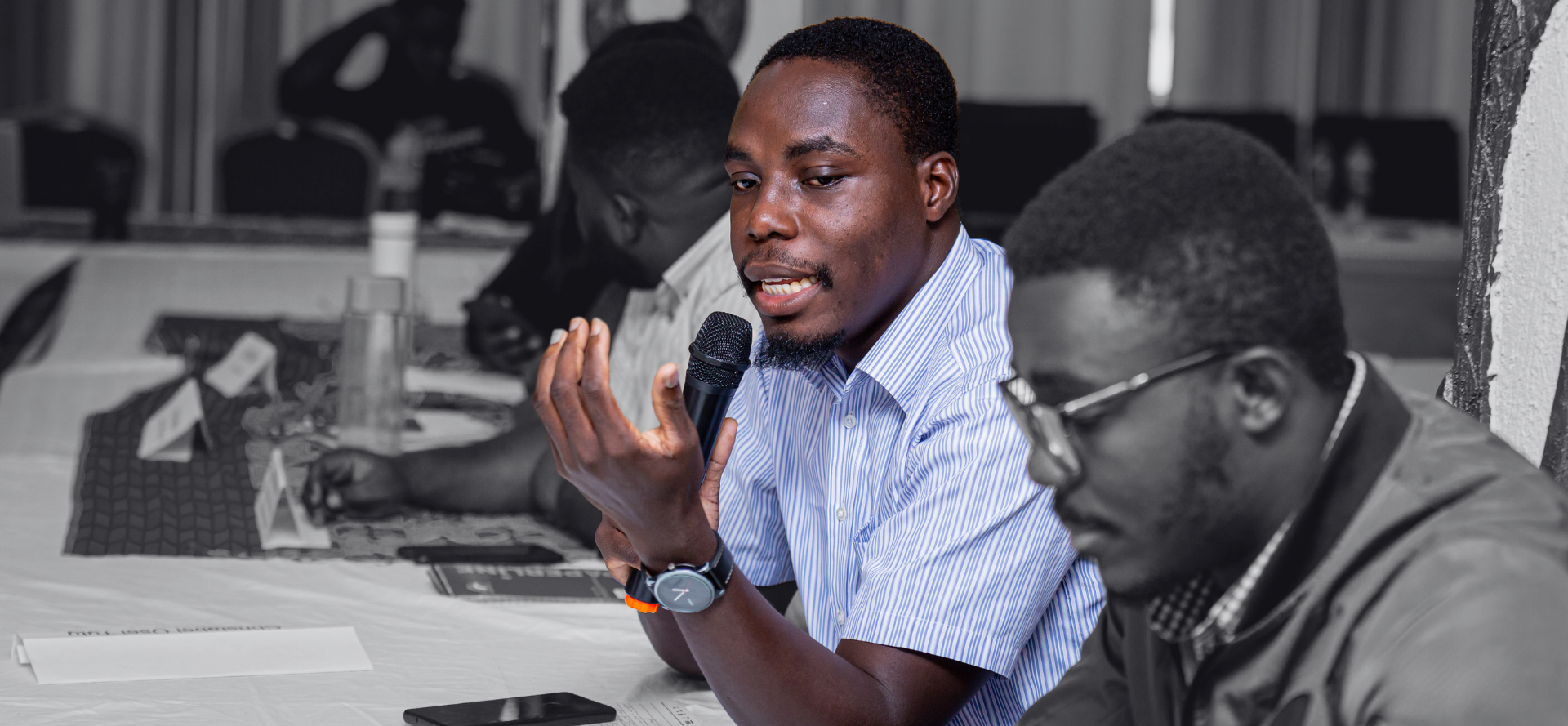
The details of climate negotiations matter more than it sounds.
Climate negotiations, especially at the UNFCCC level, are not welcoming spaces by design. They run on institutional memory, bloc politics, and technical language that takes years to decode. For young Africans, the barriers are even steeper: limited delegations, fewer resources, and an unspoken assumption that you are there to watch, not to shape anything.
Ransford Nii Adjiri Sackey had been watching that world from the edges for a while. He was engaged, read the texts, and followed the outcomes. But following a negotiation and understanding how to move within one are two very different things.
That gap is where most young advocates stay, and this is why the African Youth Negotiators Fellowship (AYNF) presents a platform for curious minds like Ransford to learn to cross it.
For him, the journey has been a transformative one, giving him context. He began to understand not just what gets decided in climate governance, but the mechanics of how decisions actually happen: how bloc positions form before a session even begins, why a single word in a paragraph can hold up three days of talks, where the real conversations happen (rarely in the formal plenary), and which moments are genuine openings and which are theatre.
He stopped treating negotiations as events to attend and started treating them as systems to navigate.
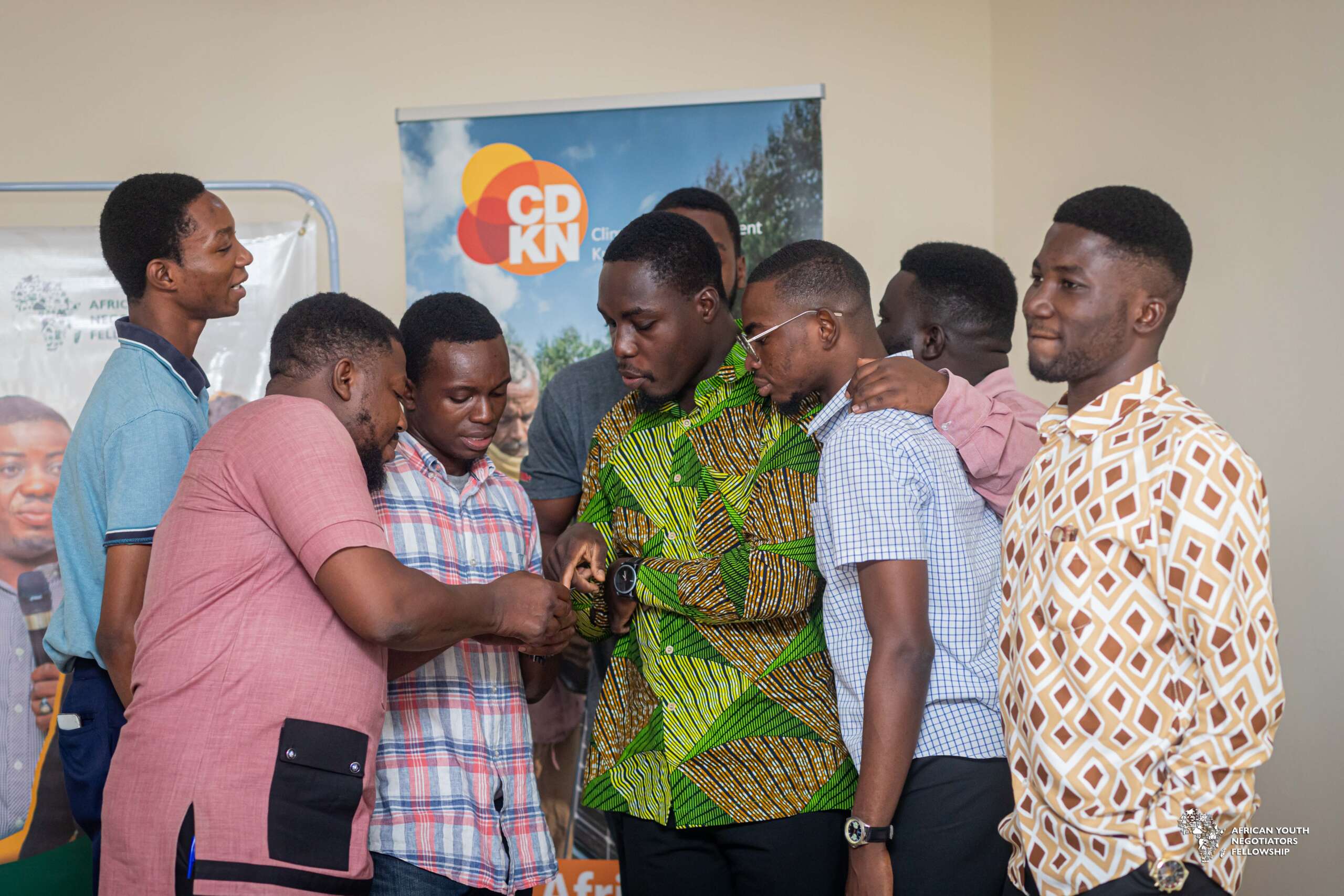
He came prepared and didn't wait to be acknowledged.
In 2024, at COP29 in Baku, the shift was tested.
Ransford was assigned to Article 6 negotiations, the section of the Paris Agreement dealing with carbon markets and cooperative mechanisms between countries. It is, by most accounts, one of the most technically gruelling areas in the entire UNFCCC process. The text is dense. The disagreements run deep. Delegations with decades of experience come in with pre-prepared positions, legal teams, and long institutional memories.
Long sessions. Competing drafts. Moments where the language on a page could mean the difference between a functional carbon market and one that countries exploit, but he came in prepared. He sat through the complexity without deferring, contributed to Ghana’s position within the African Group of Negotiators, and held his ground in a space that does not reward uncertainty.
A year later, in Belém at COP30, he was contributing to the Global Stocktake process: the mechanism through which the world formally assesses how far collective climate action has actually come, and how far it needs to go. Again, alongside Ghana and the African Group, helping ensure the continent’s realities were legible in the final text.
These are not opportunities you stumble into. And they are not spaces you survive on confidence alone.
Shaping the next generation of climate negotiators.
The most important thing AYNF gave him beyond the skill was a shift in how he understood power.
Climate negotiations are often framed as battles between blocs: developed versus developing, small islands versus oil-producing states, ambition versus interest. And while that framing holds, it obscures something Ransford came to understand through experience: alliances in that room are never fixed.
A country that opposed your position on mitigation finance may be your strongest partner on adaptation. A bloc you disagreed with yesterday may be the one you need today to protect a provision that matters. Treating anyone as a permanent opponent means closing doors you will need later.
That insight changed how he moves in those rooms. He listens before he responds. He builds relationships without losing sight of what he is there to protect. When tensions rise, he stays focused on the substance, on what the outcome means for the continent, not on the friction of the moment.
That is not passivity. That is a specific kind of strategic discipline that takes time to develop.
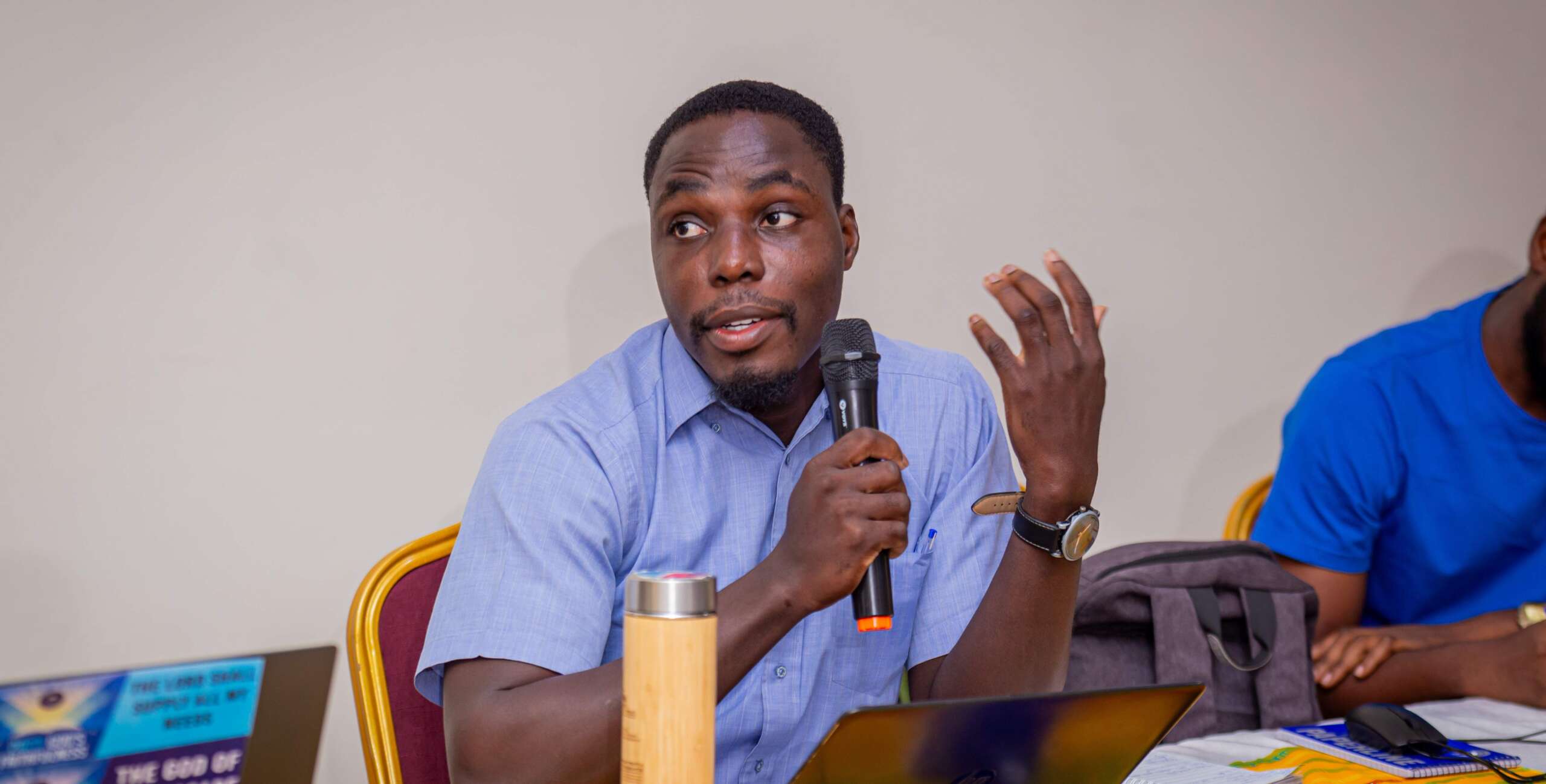
But there is something else AYNF built that does not show up on any negotiating record.
Global climate spaces can feel profoundly isolating, especially if you are young, African, and walking into rooms where most faces do not look like yours and most delegations have more resources than yours. The psychological weight of that is real, and it is rarely talked about.
Ransford did not navigate it alone. The fellowship created something more durable than training: a community of people who understood the same pressures, moved through the same spaces, and held each other accountable to the same purpose. Fellows comparing notes between sessions. Mentors who had been in those rooms before and could tell him what to watch for. A shared orientation that made the distance between Accra and Baku feel smaller.
That ecosystem is not a soft benefit. It is part of how influence actually gets built, and today, Ransford carries a specific kind of credibility: technical enough to argue the text, politically aware enough to understand what is really at stake, and grounded enough in Africa’s realities to know whose interests he is ultimately there to protect.
He is no longer a bystander with a badge but a negotiator. And increasingly, a presence that other delegations have had to account for.
AYNF is making sure that young Africans holds the capacity to change what happens in negotiation rooms, and Ransford is what that looks like when it works.