
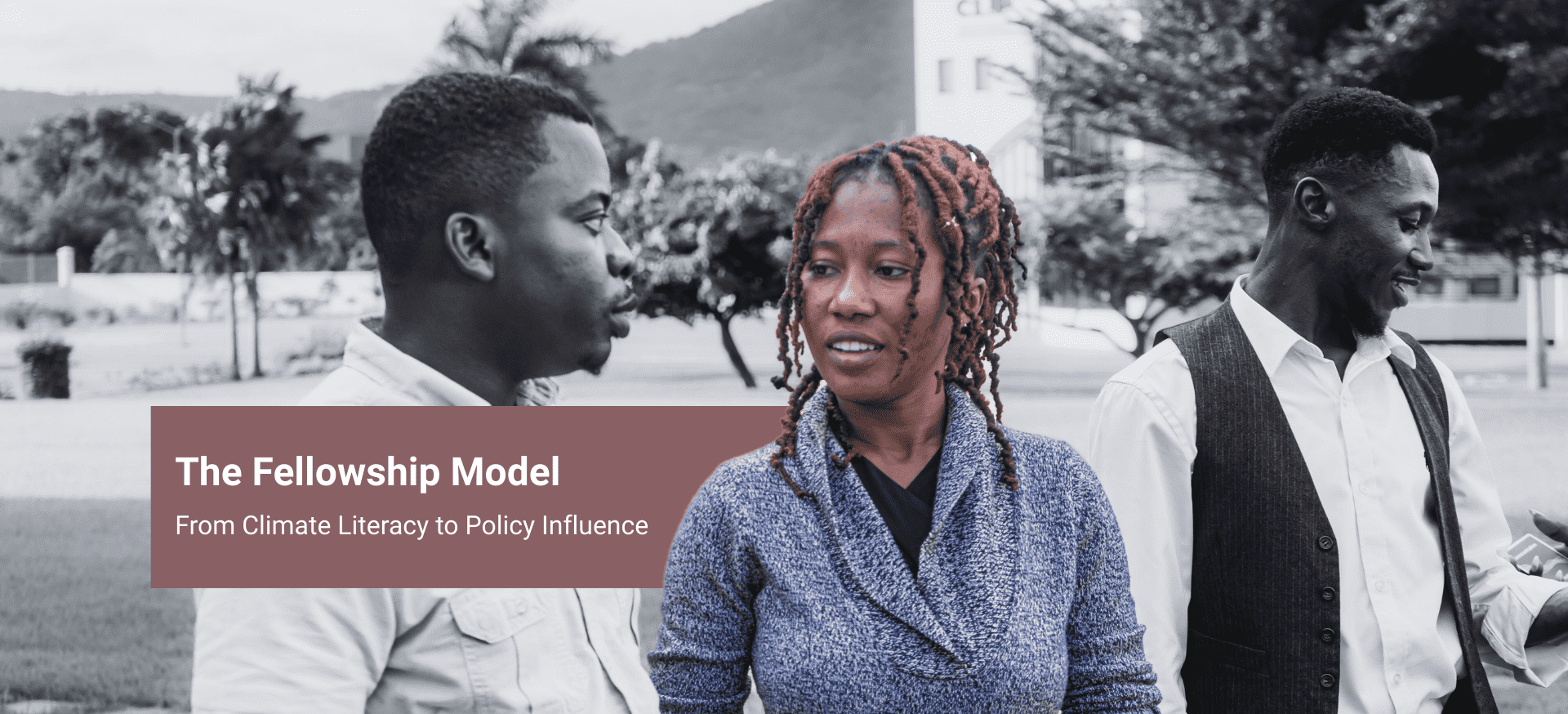
Core Negotiator Foundations
Our Core Negotiator Foundations gives fellows the depth, discipline, and political fluency required to engage climate governance spaces with credibility. It is designed as more than an introduction to the UNFCCC. It is the learning base that helps young African negotiators understand how climate science, justice, diplomacy, finance, transparency, and national priorities converge in real-world negotiation processes.
Rooted in African realities and shaped by the demands of multilateral decision-making, this strand prepares fellows not only to follow developments in negotiation rooms but also to interpret complex outcomes, contribute meaningfully to delegation and policy processes, and help translate global decisions into grounded national and regional action.
Climate Science, Justice & African Realities
This module grounds climate learning in the realities Africa is already navigating, from drought, flooding, and heat stress to food insecurity, displacement, and widening inequality. Fellows build a clear understanding of the science behind the climate crisis, but always in connection with the justice questions that shape global negotiations: who is most affected, who has contributed least, whose priorities are sidelined, and why African voices must carry weight in defining climate solutions.
It helps participants move beyond abstract climate language into a sharper understanding of vulnerability, responsibility, equity, and lived experience.
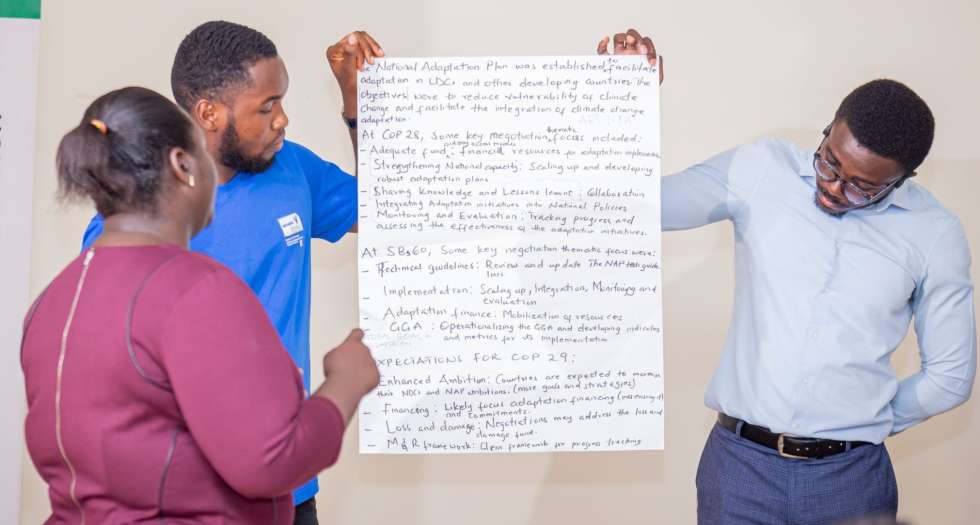
UNFCCC Architecture, Treaties & Climate Governance
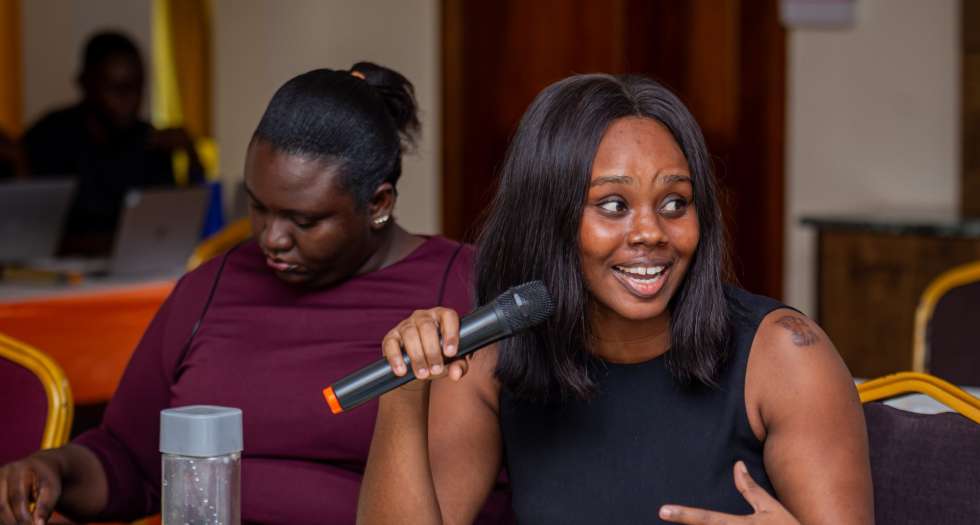
Fellows are introduced to the institutional and legal architecture that underpins global climate action, including the UNFCCC, Kyoto Protocol, Paris Agreement, and the structures that drive decision-making through the COP, CMA, SBI, and SBSTA.
The focus is not only on knowing the system, but on understanding how it works in practice: how agendas are shaped, how texts evolve, how decisions are adopted, and how legal and political meaning is carried through negotiation outcomes. This gives fellows the confidence to read the process with greater clarity and engage it with stronger strategic awareness.
Climate Diplomacy, Negotiation Practice & Bloc Dynamics
This area develops the practical instincts and communication discipline required in real negotiation spaces. Through simulation, drafting, coordination exercises, and procedural learning, fellows strengthen their ability to negotiate positions, understand power dynamics, and work within the political realities of multilateral processes.
They gain experience in coalition-building, diplomatic messaging, agenda-setting, and consensus-building, while also learning how blocs and constituencies such as the African Group of Negotiators, G77 and China, and YOUNGO shape strategy and influence outcomes.
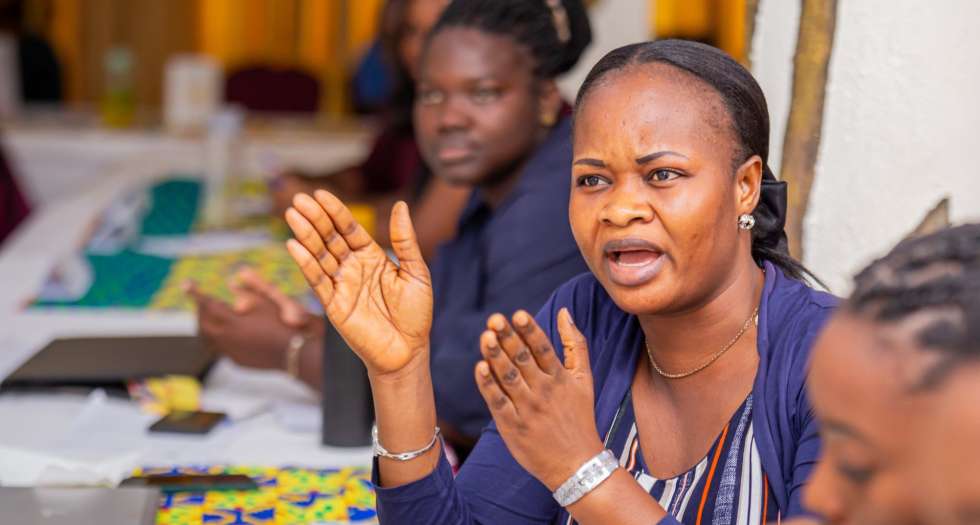
Climate Finance, Article 6 & Means of Implementation
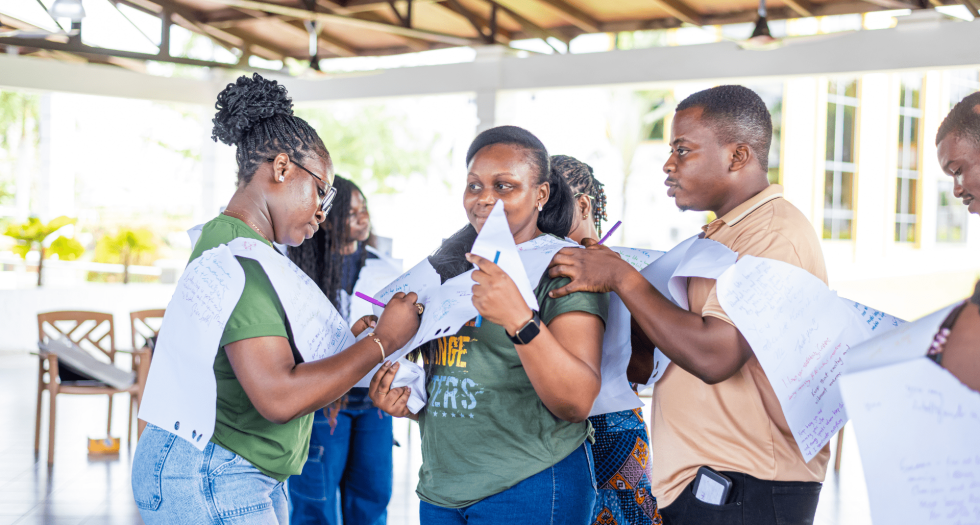
Negotiation readiness requires a strong grasp of where climate politics often become most contested. This module helps fellows understand climate finance systems, funding mechanisms, access challenges, and the wider debates around equity, delivery, and accountability.
It also introduces Article 6 and cooperative approaches, unpacking the opportunities, risks, and governance questions they raise for African countries. By linking finance, carbon markets, and implementation debates, the module equips fellows to engage some of the most technical and high-stakes issues shaping climate negotiations today.
Transparency, Accountability & Decision Translation
This module helps fellows move from understanding commitments to assessing whether those commitments are actually being delivered. It introduces key ideas around MRV, transparency systems, accountability pathways, and implementation tracking, while helping participants interpret COP decisions with more confidence and precision.
Fellows learn how to identify progress signals, spot weak follow-through, and connect international outcomes to national instruments such as NDCs, adaptation planning, and broader climate governance processes. The emphasis is on strengthening the ability to turn negotiation outcomes into informed action, analysis, and constructive accountability.
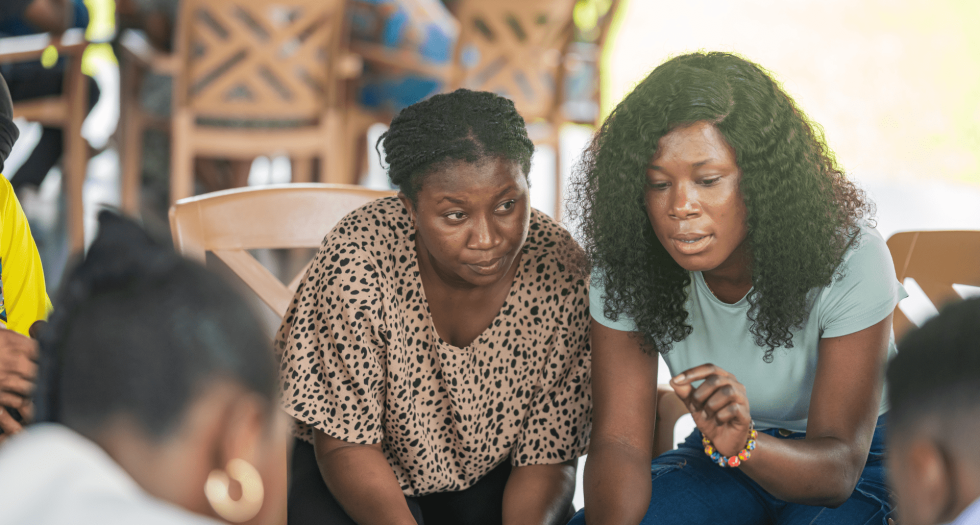
National Delegations, Youth Participation & Policy Influence
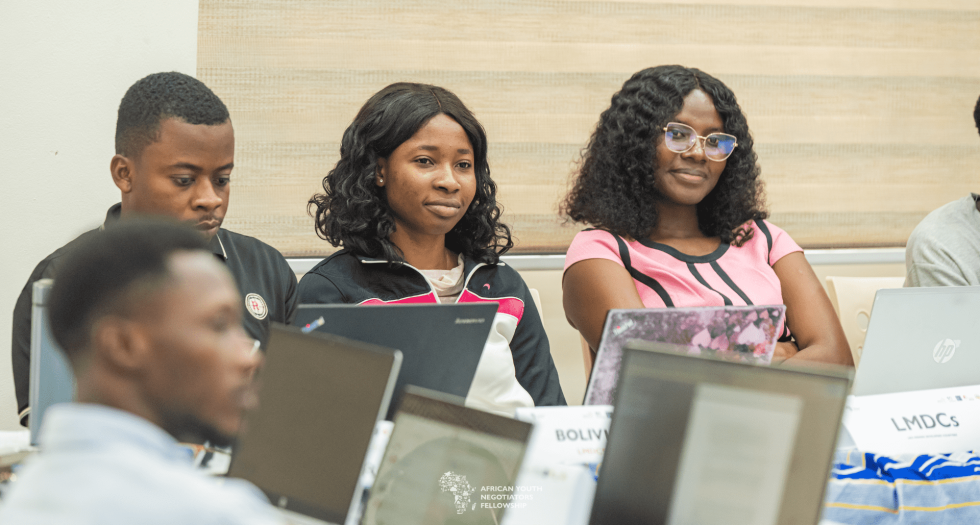
Fellows also build a practical understanding of how national delegations function, where political and technical coordination happens, and how youth can contribute in ways that are credible, strategic, and useful. Rather than treating youth participation as symbolic presence, this module focuses on informed entry points for influence through policy briefs, consultations, coordination support, communication products, and negotiation preparation.
It helps fellows understand how to engage responsibly within national and continental processes, and how to position youth perspectives in ways that strengthen policy and negotiation outcomes.
Thematic Pathways
Methane and Super Pollutants
Sector analysis, regulatory implications, mitigation pathways.
Climate Justice and Equity
CBDR RC, burden sharing, negotiation power dynamics.
Global Stocktake to NDC Enhancement
Translating COP signals into stronger national climate plans.
Climate Transparency and Accountability
Tracking commitments and strengthening implementation credibility.

COP Engagement Pathway
Selected fellows are prepared for structured engagement within coordination processes aligned with the African Group of Negotiators and other negotiation tracks.
Text monitoring
Delegation support
Youth policy alignment
Strategy brief development
FAQs
About the Fellowship
What is the African Youth Negotiators Fellowship (AYNF)?
The AYNF is a transformative training program organized by the Green Africa Youth Organization (GAYO). It is designed to strengthen skills in climate diplomacy, empower young Africans, and contribute meaningfully to Africa’s climate agenda and youth representation in decision-making processes.
What is the format and duration of the training?
The Fellowship includes a One-week residential intensive training component, along with opportunities for networking and mentorship with climate leaders.
Does the AYNF program cover costs for participants?
The program provides accommodation and meals for all selected participants. However, all selected applicants are responsible for covering their own air or bus fare.
Where does the in-person residential training take place?
While the specific venue details are shared upon confirmation of participation, Green Africa Youth Organization (GAYO), the organizer, is based in Accra, Ghana.
Is proficiency in English required to participate?
Yes, proficiency in English is required for the program, as all technical training is conducted in English.
How competitive is the AYNF selection process?
The program is highly competitive. For Cohort 4, the selection was made from an exceptionally competitive pool of over 7,000 applications.
Application Process & Requirements for the 2026 Cohort
What is the application deadline for the 2026 Cohort?
Applications close on April 30, 2026, at 11:59 P.M. GMT.
Who is eligible to apply?
- Applicants must be citizens of an African country
- Be between 15 and 35 years old
- Demonstrate interest or experience in climate policy, advocacy, or diplomacy
- Be proficient in English
- Be able to commit to all phases of the fellowship fully.
Where can I submit my application?
Applications must be submitted through the official application link: https://youthnegotiators.com/apply.
What are the mandatory pre-application requirements?
As part of the application process, you are required to complete a course on the Ghana Climate Literacy Portal. The Climate Science 101 course is specifically mentioned as a mandatory course.
What are the steps to complete the mandatory course on the GCLP portal?
- Sign up/Log in to the Ghana Climate Literacy Portal at www.gclportal.com.
- Choose a course and select “Enroll” (or “Start Learning”).
- Complete all modules, quizzes, and assessments for the course.
- Download your certificate from the “Certification” section of your dashboard.
- Upload the downloaded certificate to the designated section of the AYNF application form.
Can I submit my application materials via email?
No, applicants who encounter difficulties with the online form are still directed to submit their application via the official link. Direct email submission is not recommended.
What should I do if I encounter a technical issue with the application form or GCLP portal?
If you experience technical difficulties, you should check your internet connection, refresh the page, and try again. If issues persist, you can reach out to aynf@greenafricayouth.org for support.
Is eligibility limited to applicants with a climate-related academic background?
Given the fellowship’s focus on youth representation, applicants from diverse backgrounds who are passionate about climate action are encouraged to apply.
Who organizes the Fellowship?
The fellowship is organized by GAYO, in collaboration with CDKN and technical support from the EPA Ghana.
What does the Fellowship involve?
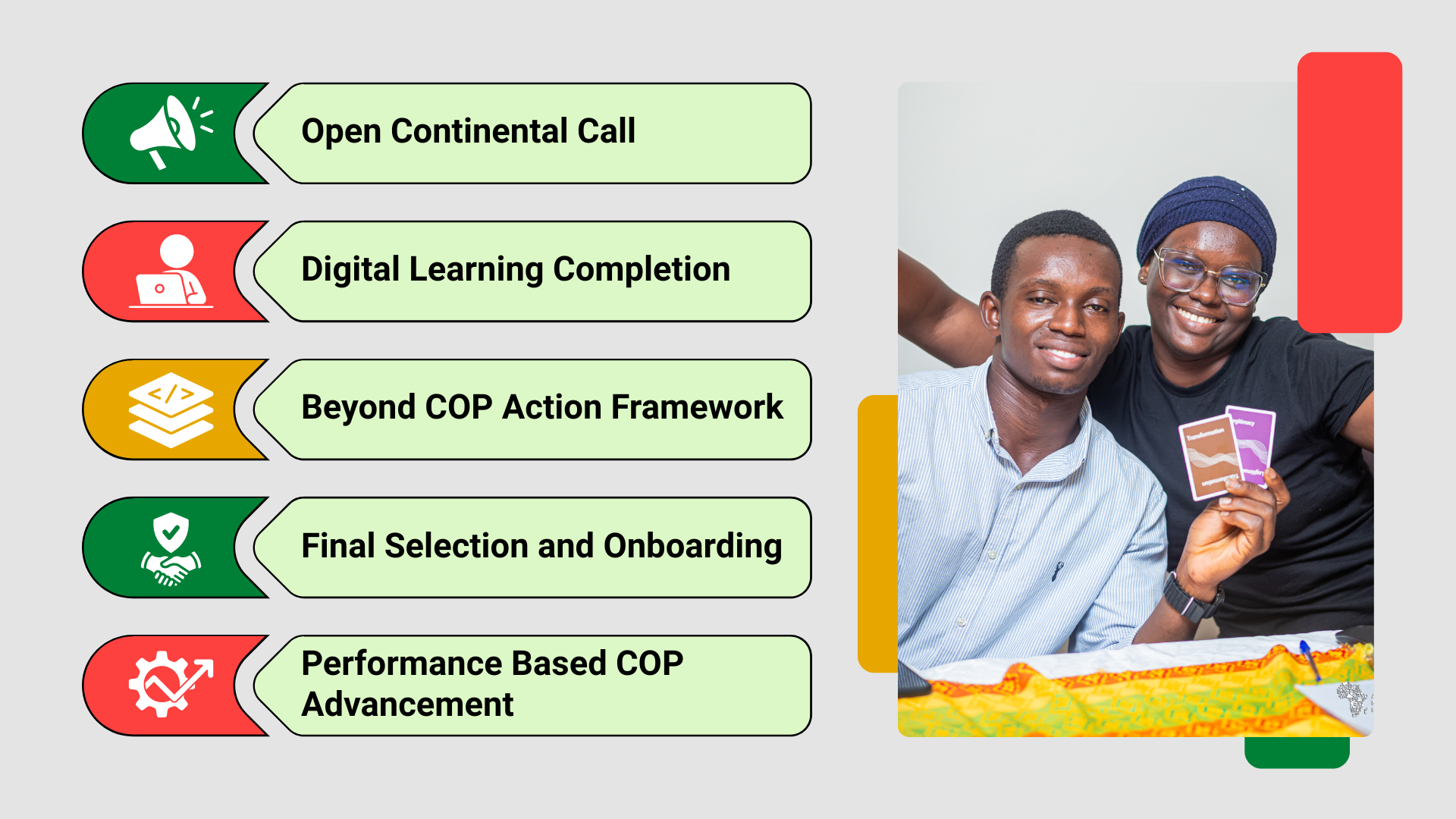
Phase 1: Applicants complete the required foundational online learning process through the Ghana Climate Literacy Portal, beginning with Climate Science 101, and upload a certificate of completion as part of the application. Selected applicants may then be required to complete an additional course, quiz, or assignment as they proceed through the next stage of selection and onboarding.
Phase 2: An intensive one-week hybrid training in Ghana featuring advanced negotiation sessions, policy writing, simulations, and practical exercises. negotiation frameworks, the UNFCCC architecture, and regional policy intersections.
Phase 3: A deep-dive mentorship, thematic negotiation labs, policy brief development, and coordinated pre-, during-, and post-COP31 engagement activities.
© 2026 · Green Africa Youth Organization · All Rights Reserved